10 C's of Survival Checklist: The Complete Wilderness Guide (2026)
Master the foundational 10 C's of survival checklist developed by veteran woodsmen. Discover the 10 essential bushcraft tools to pack in your kit or bug out bag.
Mark Holloway, Master Woodsman
WildRoot Field Testing & Research Team
Whether you are packing a comprehensive 72-Hour Bug Out Bag, planning a deep hunting trek across the Pacific Northwest, or simply venturing off-trail, wilderness survival boils down to a single inviolable principle: caloric energy conservation through tool efficiency.
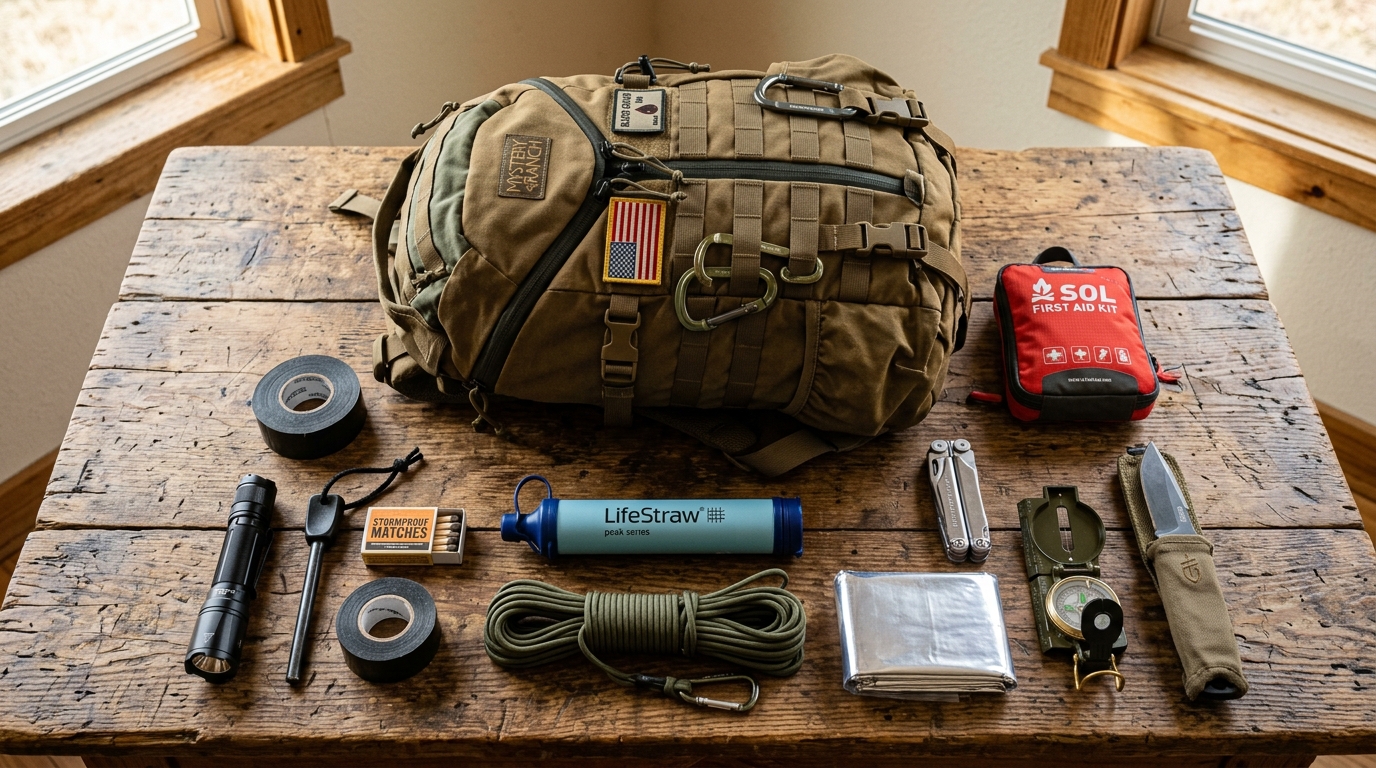
Popularized by veteran survival instructor Dave Canterbury and field-tested across centuries of North American frontier expeditions, the “10 C’s of Survivability” represent gear assets that require immense labor, specialized industrial machinery, or impossible time investments to manufacture from raw nature.
If you carry these ten core items in your rucksack, your odds of surviving sub-zero freezes, disorientation, or unexpected multi-day stranding increase tenfold.
The 10 C’s Master Reference Table
| # | Survival Asset (The C) | Core Survival Function | Nature Fabrication Difficulty | Recommended Field Item |
|---|---|---|---|---|
| 1 | Cutting Tool | Wood splitting, shelter carving, butchering | Near Impossible (Requires Metallurgy) | Kegani High-Carbon Fixed Knife |
| 2 | Combustion Device | Hypothermia prevention, signaling, cooking | Extremely Difficult (Friction Fire) | Windproof Kerosene Lighter & Tinder Capsule |
| 3 | Cover | Wind/rain deflection, body heat retention | High (Hours of Debris Piling) | Heavy-Duty Survival Tarp & Mylar Bivy |
| 4 | Container | Direct boiling water purification, snow melting | Near Impossible (Pottery/Hollowing) | Mini Water Filter Straw & Bushcraft Flask |
| 5 | Cordage | Ridge line suspension, splints, traps | Very High (Hours of Twisting Roots) | 550 Paracord Bracelet |
| 6 | Candle / Light | Hands-free camp work, trail navigation | High (Pine Resin Torches Burn Fast) | High-Lumen Tactical Flashlight |
| 7 | Cotton Cloth | Water pre-filtering, char cloth, sling | Moderate (Bark Weaving) | 100% Cotton Signal Orange Shemagh |
| 8 | Compass | Terrain navigation, bearing dead reckoning | Impossible (Requires Magnetic Needle) | Sighting Lensatic Compass |
| 9 | Cargo Tape | Field repairs, waterproofing, blister care | Impossible (Synthetic Polymers) | Industrial Duct / Gorilla Tape |
| 10 | Canvas Needle | Pack strap repairs, stitching torn bivy | High (Carved Bone Needles Break) | Heavy Sailmaker’s Leather Needle |
The First 5: Core Life Support Necessities
The first five C’s are non-negotiable. If you are stranded without these five items, human physiology begins deteriorating rapidly due to hypothermia, dehydration, or physical exposure.
1. Cutting Tool (Full-Tang Fixed Blade)
Your knife is your primary engine in the backcountry. A dependable survival blade allows you to harvest dry core firewood from inside soaked logs, carve tent stakes, craft bow-drill sets, and process game.
To withstand the rigors of heavy baton-splitting, a wilderness knife must feature:
- Full-tang high-carbon steel: Extends continuous steel from the tip through the pommel, preventing handle breakage under heavy batoning blows.
- Scandi or robust flat grind: Bites aggressively into dense hardwood and throws paper-thin wood curls for feather sticks.
- Sharp 90-degree squared spine: Strikes sparks off ferrocerium rods cleanly without dulling your razor cutting edge.
Field Recommendation: The Kegani High-Carbon Steel Bushcraft Knife features forged high-carbon alloy with a reinforced wooden bolster, engineered specifically for heavy wood processing and tactical camp duties. For an exhaustive breakdown of metallurgy and blade geometry, read our complete guide: The Definitive Bushcraft Survival Knife Guide: Full-Tang Carbon Steel vs. Stainless.
2. Combustion Device (Tri-Redundant Fire Ignition)
Hypothermia remains the leading cause of backcountry fatalities in North America. When freezing rain sets in and dexterity fades, you cannot rely on delicate grocery store lighters—their butane liquefies below 32°F, flint wheels slip against wet fingers, and wind snuffs weak flames.
Always implement a tri-redundant fire system:
- A thick 1/2-inch ferrocerium rod producing 5,500°F sparks.
- A sealed stormproof lighter such as the Metal Windproof Kerosene Survival Lighter with threaded rubber O-rings that prevent fuel evaporation.
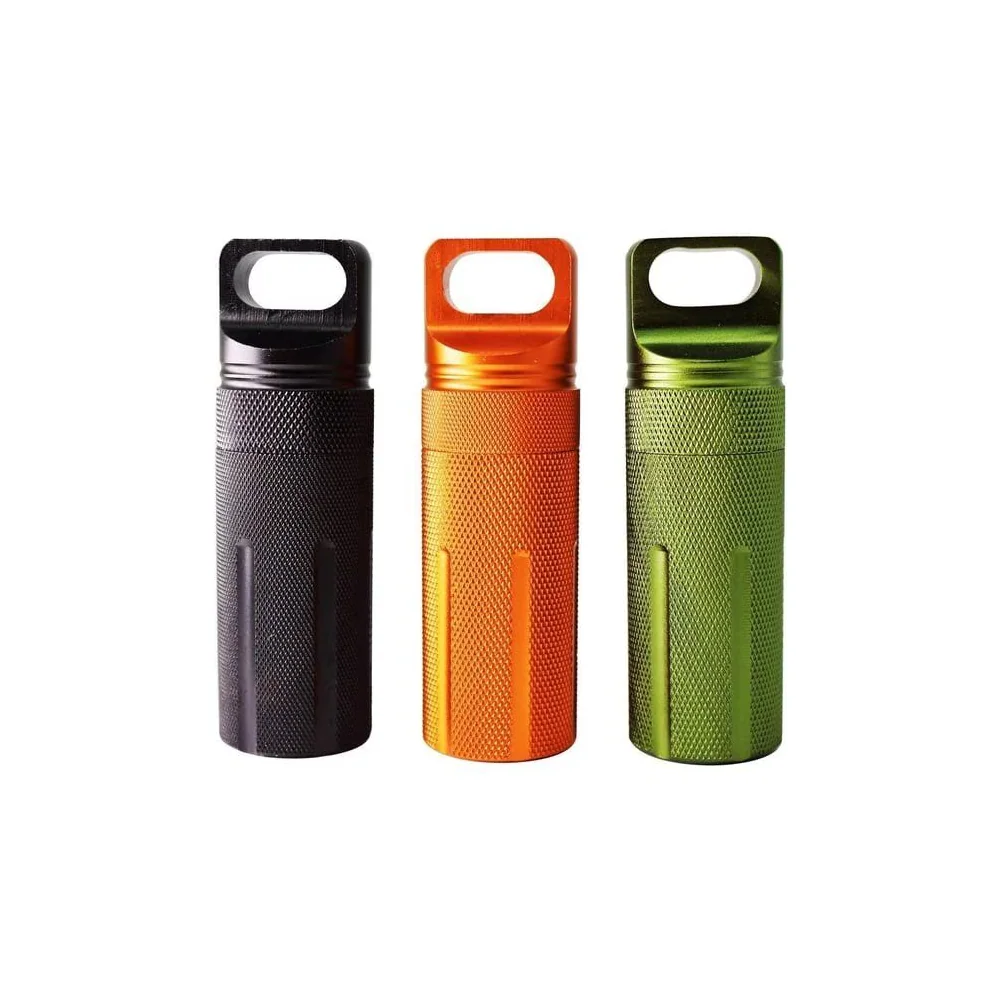
- A waterproof tinder cache—keep wax-infused jute twine or petrolatum cotton inside an airtight Waterproof Sealed Tinder Capsule.
For complete guidelines on managing open fires responsibly and preventing wildfires, consult our companion guide on Backcountry Campfire Safety & Leave No Trace Principles.
3. Cover (Thermal Barrier & Storm Shelter)
Your wet body loses heat 25 times faster than dry skin through convective wind chill and conductive ground contact. In temperatures as mild as 50°F (10°C), driving rain and wind can induce fatal hypothermia within two hours.
A comprehensive cover kit requires two complementary layers:
- Overhead Deflection: A rugged, PU-coated shelter like the Heavy-Duty Black-Coated Bushcraft Survival Tarp Tent creates an impenetrable microclimate against sideways rain and snow. To master pitch geometries, read our tactical tutorial on 5 Bombproof Tarp Shelter Configurations to Survive Severe Storms.
- Radiant Core Reflection: The Emergency Thermal Mylar Bivy Sack reflects up to 90% of radiated infrared body heat directly back to your vital organs while blocking wind.
4. Container (Boiling Vessel & Filtration)
Wild river basins—no matter how pristine—frequently carry microscopic protozoa like Giardia lamblia and Cryptosporidium, causing incapacitating gastrointestinal illness.
While a lightweight Mini Portable Survival Water Purifier Straw provides immediate 0.01-micron filtration directly from alpine streams, carrying a single-wall metal or heavy thermal flask like the Borosilicate Bushcraft Thermal Flask is vital for boiling water over hot campfire coals, melting winter snow, and cooking warm broth.
For a comprehensive comparison between personal straws, backcountry hand pumps, and group gravity reservoirs, review our field analysis: Straw vs. Pump vs. Gravity: Which Trail Water Filter Do You Actually Need?.
5. Cordage (Type III 550 Paracord)
Twisting natural cordage from nettle stalks, dogbane, or cedar inner bark is a beautiful primitive skill, but spinning 50 feet of reliable rope takes between four to eight hours of painstaking manual labor.
Carrying 50 to 100 feet of genuine military-spec 550 Paracord provides seven internal nylon strands within a woven outer sheath. These inner filaments can be separated for fishing lines, snare triggers, medical splint lashings, and bootlace replacements. For daily access, wear a Field Tactical Survival Paracord Bracelet that integrates an emergency flint rod and a 100dB rescue whistle.
The Second 5: Extended Sustainment & Navigation
Once basic thermoregulation and hydration are secured, the second five C’s expand your operational range, repair degraded equipment, and prevent prolonged search-and-rescue operations.
6. Candle (Tactical Illumination)
Operating in complete forest darkness invites eye injuries, sprained ankles, and disorientation. A reliable headlamp or tactical high-lumen torch allows hands-free firewood collection and bivy setup after dark. Furthermore, carrying a compact beeswax candle provides long-duration emergency cabin warmth and an easy ember source for damp kindling.
7. Cotton Bandana or Shemagh (100% Large Cotton)
A 36x36 inch 100% orange cotton bandana is the Swiss Army knife of outdoor textiles:
- Water Pre-filter: Filters heavy silt and suspended algae from murky streams before passing water through your hollow-fiber straw.
- Char Cloth Production: Baked inside a sealed metal tin over coals, cotton transforms into hyper-sensitive char cloth that catches sparks from a flint strike instantly.
- First Aid & Signaling: Functions as a compression bandage, sling for fractured limbs, or a high-visibility air-search ground flag.
8. Compass (Analog Magnetic Navigation)
Cellular towers fail, lithium batteries drain rapidly in sub-zero alpine conditions, and GPS devices lose satellite locks under heavy mountain canopies. A sighting lensatic compass with adjustable magnetic declination ensures you can triangulate bearings and walk a dead-reckoning azimuth out of dense cedar bogs.
9. Cargo Tape (Reinforced Duct Tape)
Punctures happen. Wrapping 10 to 15 feet of heavy industrial duct tape or Gorilla Tape around your water bottle or lighter creates an instant field repair station:
- Sealing punctured bivy bags and sleeping pads.
- Splinting fractured axe handles.
- Applying hot-spot blister protection before skin tears on forced marches.
10. Canvas or Heavy Repair Needle
A large sailmaker’s needle or leather awl paired with the internal strands of your 550 paracord allows you to repair blown backpack shoulder straps, mend heavy canvas shelters, or fix boots in remote territory where gear failure means being stranded.
Equipping Your 10 C’s System
Do not treat the 10 C’s as separate, disorganized items tossed randomly into your car trunk. Pack them into an organized, modular sustainment pouch ready to mount onto your rucksack or transfer into your Complete 72-Hour Bug Out Bag.
If you are assembling an emergency kit from scratch, our 125-in-1 Professional Survival Equipment & Tactical Kit comes pre-configured with the core cutting tools, ferro ignition rods, tactical lighting, and medical essentials pre-tested for rugged North American field use.
Expert Wilderness & Field Gear FAQs
Clear, field-tested answers to the most common questions on backcountry readiness, survival gear, and equipment maintenance.
QWhat are the 10 C's of wilderness survival?▼
QWhat are the 5 core C's of survival?▼
QWho created the 10 C's of survival system?▼
QWhat is the single most important C in survival?▼
Wilderness Equipment Featured in this Guide
The rugged gear relied upon by our instructors. Pre-tested in North American forests and shipped fast from California & New Jersey.
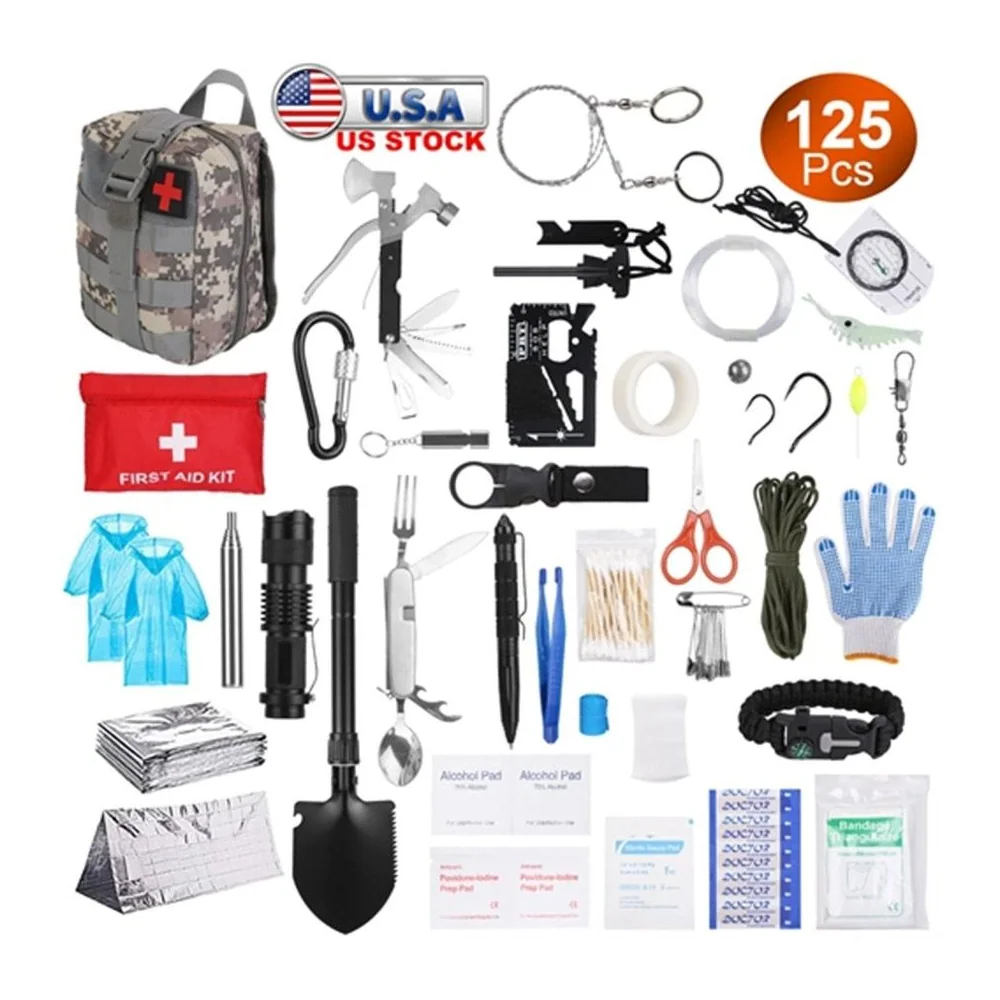
125-in-1 Professional Survival Equipment & Tactical Emergency First Aid Kit
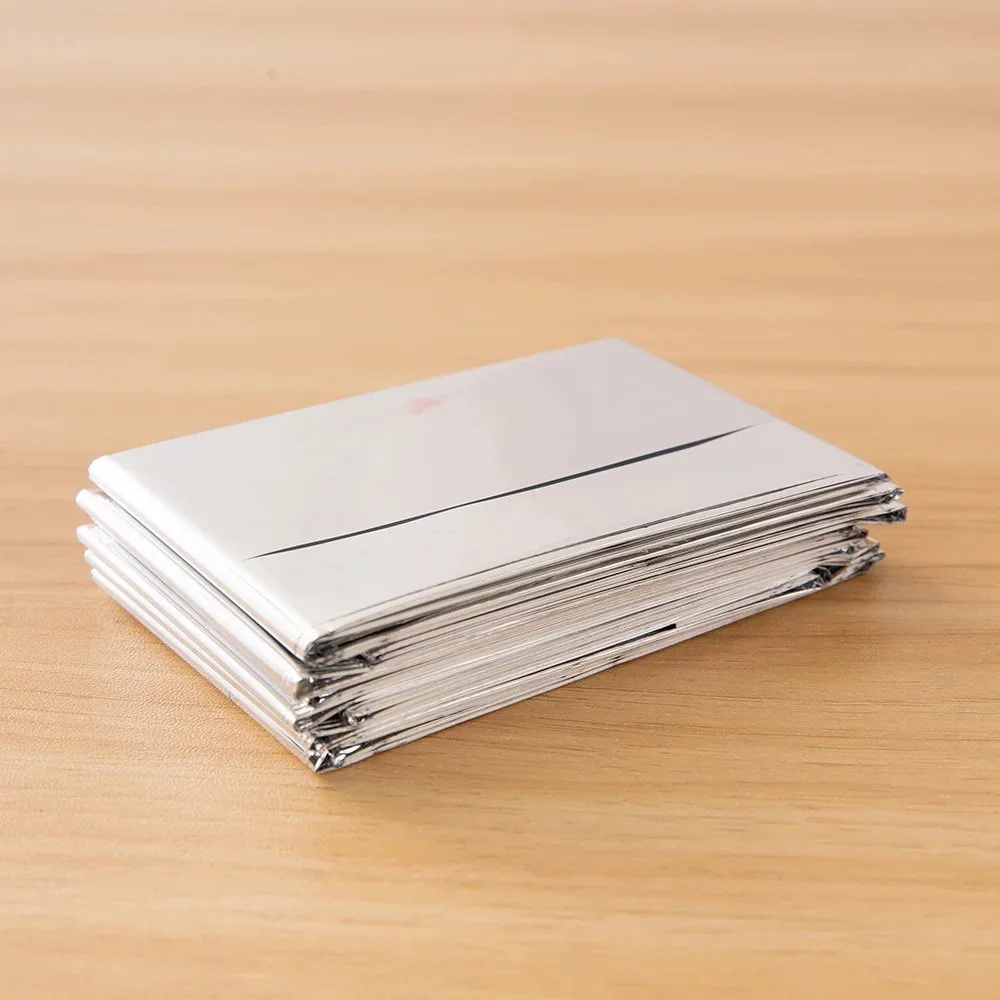
Emergency Mylar Foil Thermal Bivy Sack / Insulated Sleeping Bag Cover
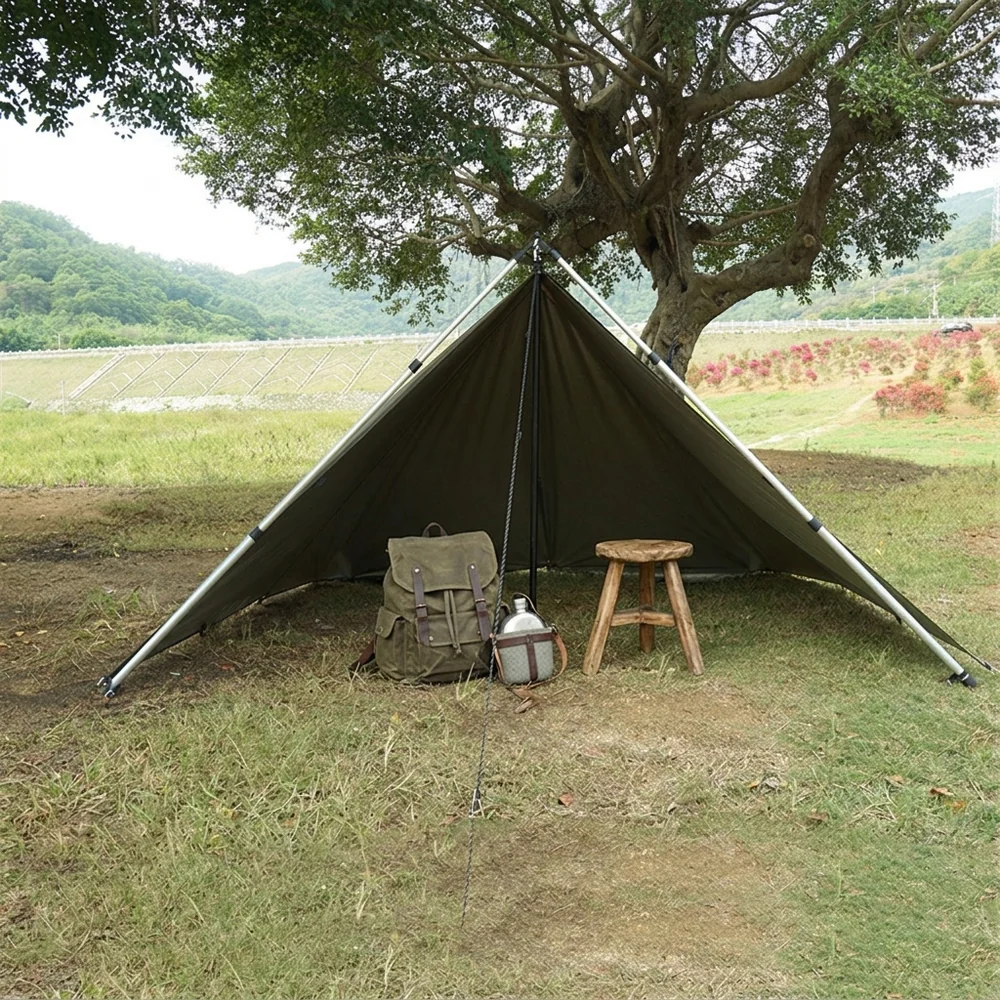
Heavy-Duty Black-Coated Bushcraft Survival Tarp Tent (PU3000mm)
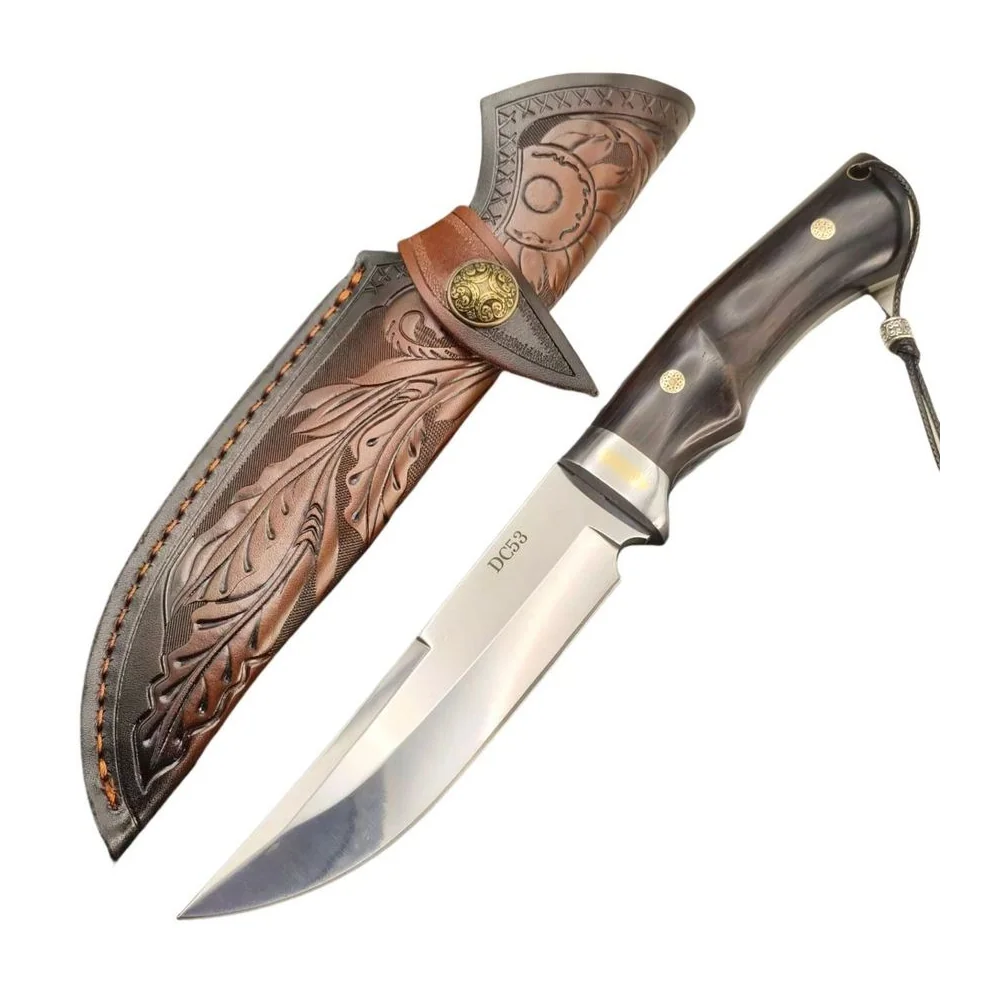
Kegani High-Carbon Steel Bushcraft Woodcraft & Camp Carver Tool with Leather Sheath
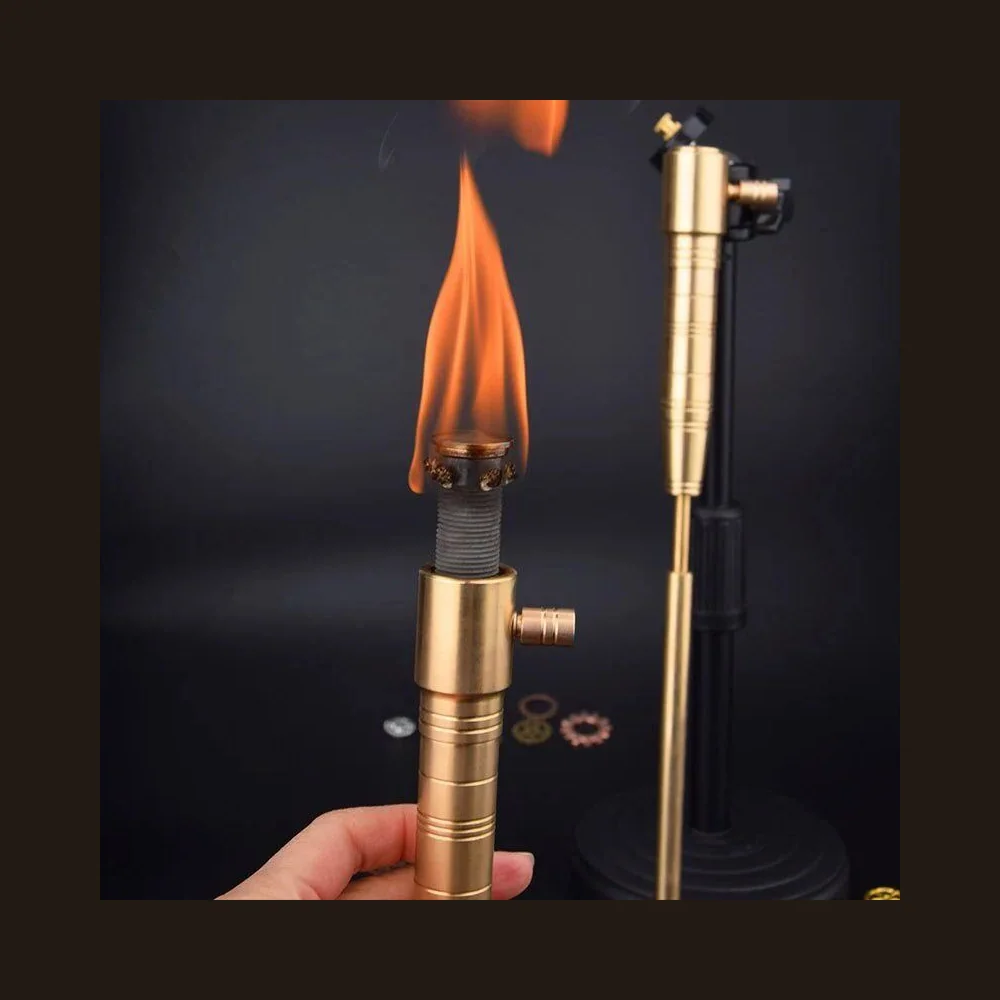
Metal Windproof Kerosene Survival Lighter (Refillable Outdoor Pocket Torch)
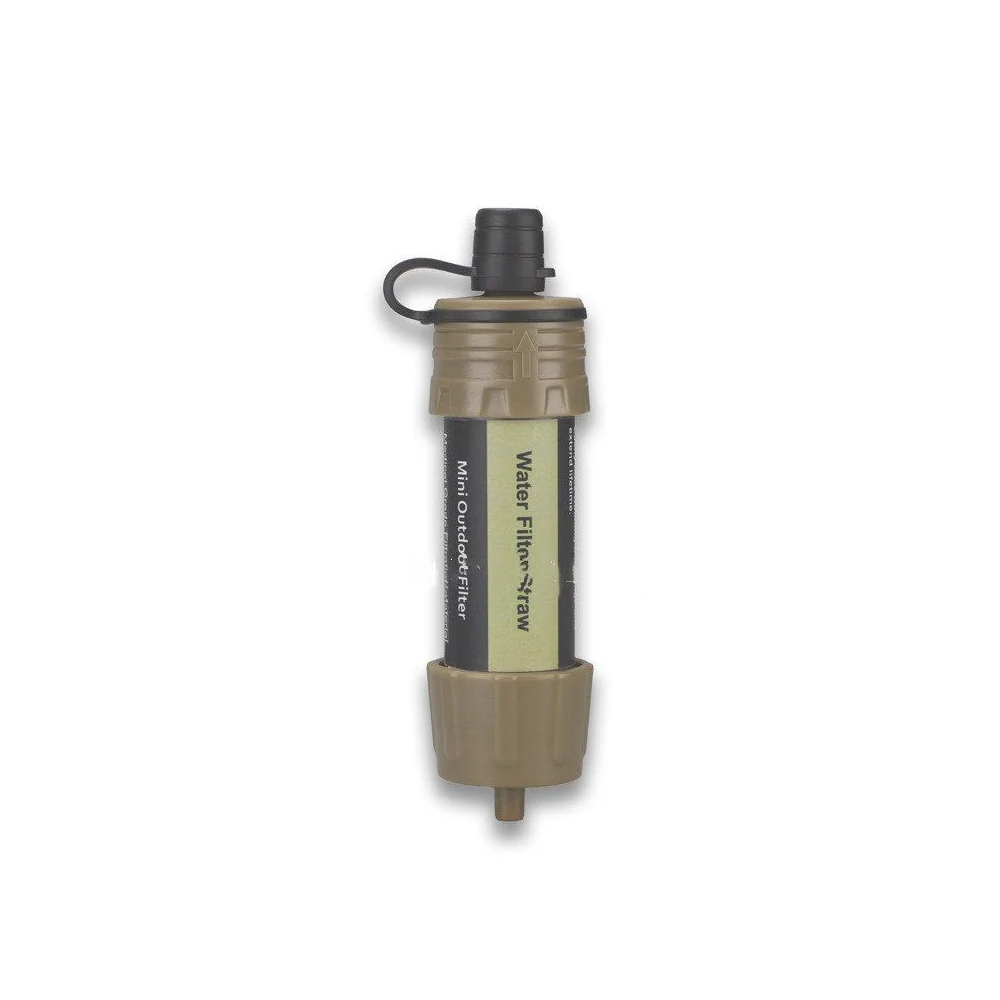
Mini Survival Water Purifier Straw (0.01 Micron, 5,000L Filtration)
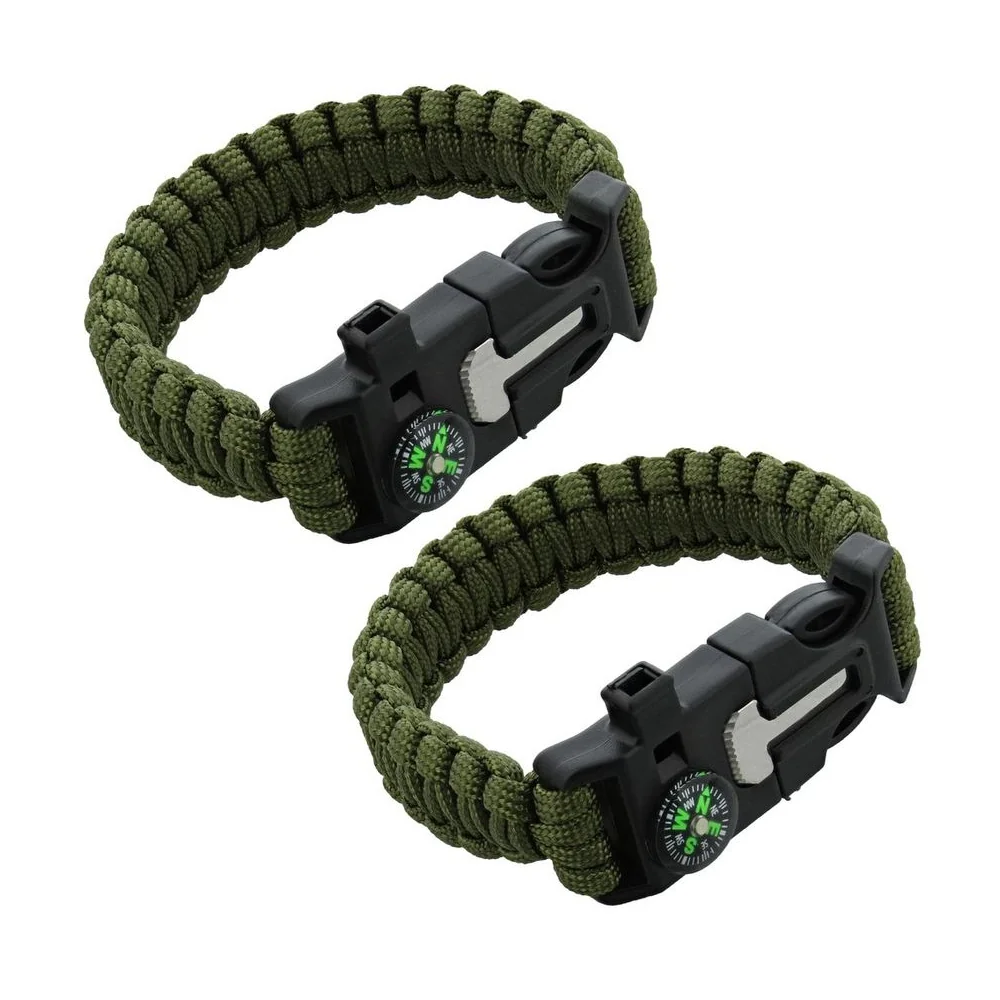
Field Tactical Survival Paracord Bracelet with Flint Ferro Rod & 100dB Whistle