72-Hour Bug Out Bag Checklist: Essential Survival Gear & Prepper Guide (2026)
Field-tested 72-hour bug out bag checklist and survival gear guide. Pack life-saving water filtration, storm shelter, fire craft, and trauma medical under the 20% weight rule.
Mark Holloway, Master Woodsman
WildRoot Field Testing & Research Team
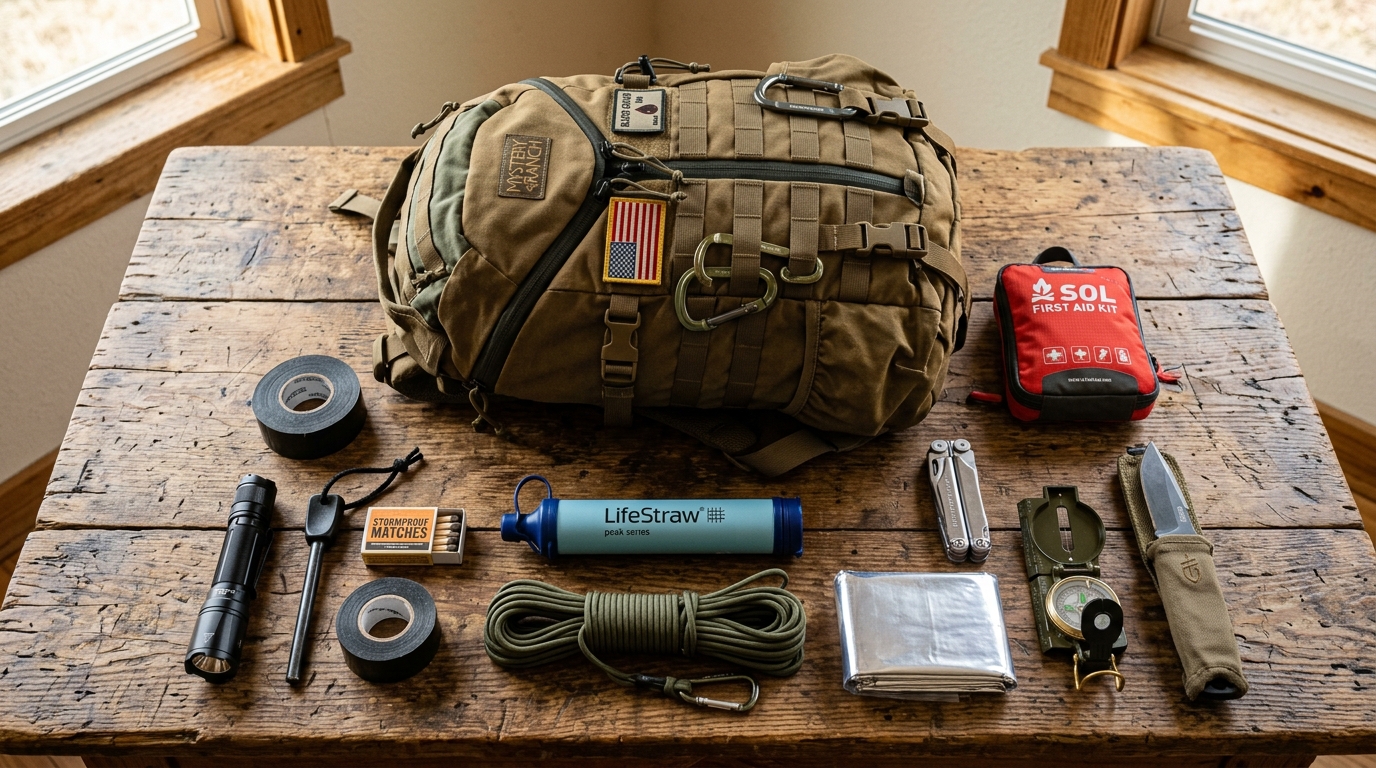
A Bug Out Bag (BOB) is not a recreational backpacking kit—it is an autonomous life support system engineered to sustain you through the critical first 72 hours of sudden civil collapse, catastrophic natural disasters, extended power grid blackouts, or wildfire evacuations.
When disaster strikes, the luxury of calling 911 disappears. You may be forced to abandon your vehicle in gridlocked traffic and march 20 to 40 miles on foot across hostile terrain to reach safety.
To survive this transition period, seasoned woodsmen and military search-and-rescue specialists structure their emergency rucksacks around the physiological Survival Rule of Threes:
- 3 Minutes without air (toxic smoke, dust storms, chemical spills)
- 3 Hours without thermal regulation in freezing rain or scorching desert heat
- 3 Days without potable water
- 3 Weeks without caloric food intake
Before spending money on gimmicky gadgets, smart preppers build their foundational loadout directly upon The 10 C’s of Wilderness Survivability—ensuring every ounce on their spine serves an irreplaceable survival function.
Quick-Print 72-Hour Bug Out Kit Checklist (The Essential Triage)
Short on time or doing an emergency pack audit before heading out? Here is the distilled, one-page master bugout kit checklist categorized by survival priority:
📋 Field Prepper Rule: Print, bookmark, or screenshot this checklist. Check off every item before strapping your pack, and ensure total loaded pack weight never exceeds 20% to 25% of your healthy bodyweight.
💧 Tier 1: Hydration & Water Filtration (Non-Negotiable)
- Active mechanical water filter pump (min. 1,000 ml/min) — Emergency Water Filtration Pump
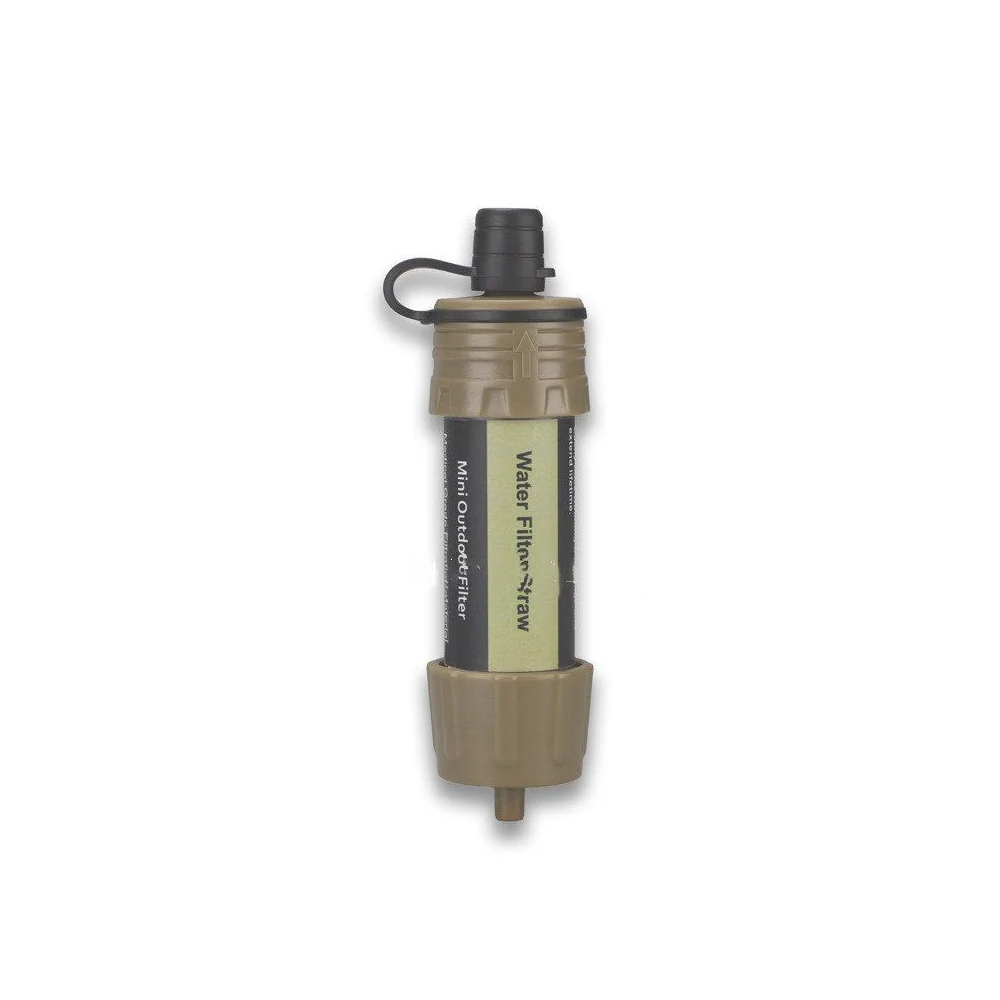
- Secondary 0.01-micron hollow-fiber straw — Mini Survival Purifier Straw
- 32 oz single-wall stainless steel canteen with nesting boiling cup
- 2L–3L collapsible TPU water bladder
- 1 pack Chlorine Dioxide water purification tablets
🏕️ Tier 2: Exposure Defense & Emergency Shelter
- 10x10 or 8x10 heavy-duty ripstop coated storm tarp — Bushcraft Survival Tarp Tent
- Thermal reflective Mylar bivy sack (retains 90% body heat) — Emergency Thermal Bivy
- Closed-cell foam ground barrier or insulated sit pad
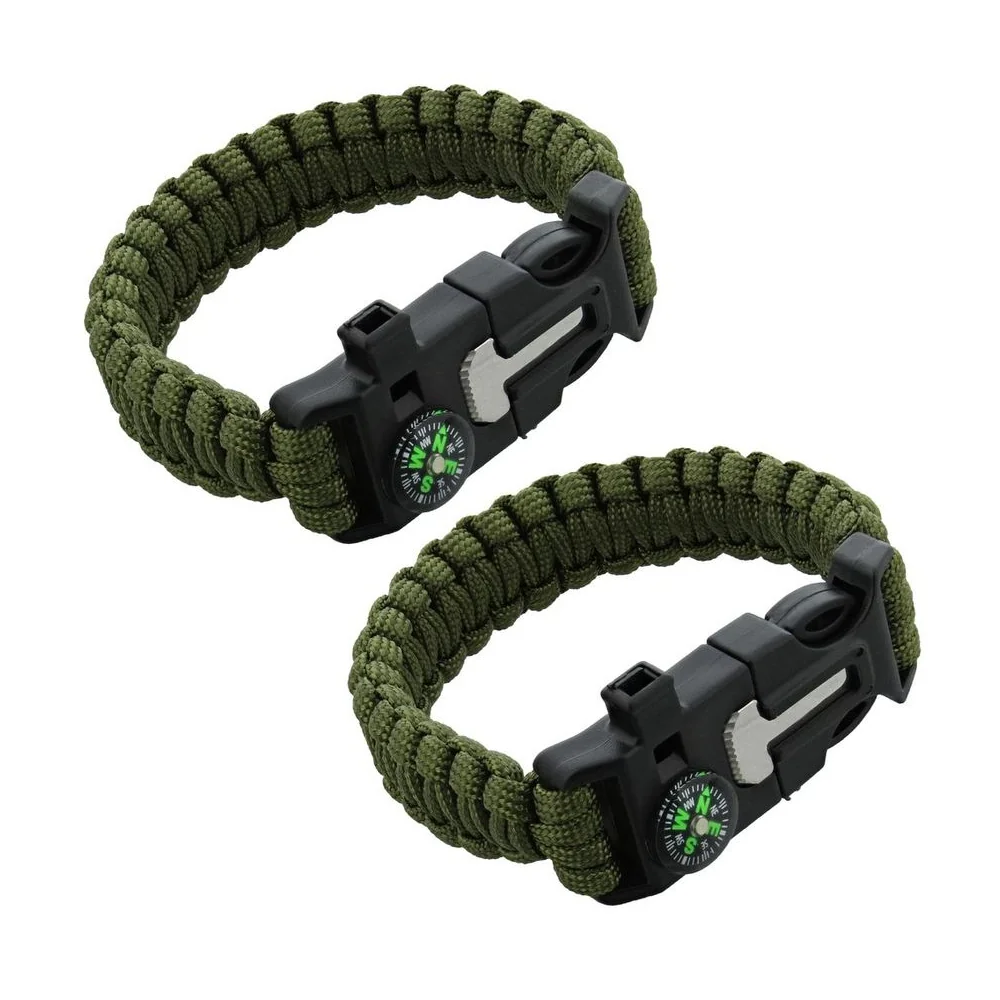
- 50–100 ft Type III 550 Mil-Spec paracord — Tactical Paracord Bracelet
- 4 heavy-duty aluminum or carved hardwood tent stakes
🔥 Tier 3: Tri-Redundant Combustion & Core Warmth
- 1/2-inch thick ferrocerium spark rod (5,500°F sparks)
- Windproof sealed kerosene survival lighter — Metal Windproof Lighter
- Watertight brass tinder capsule with waxed jute / petroleum cotton — Sealed Tinder Capsule
- Fresnel magnifying lens (infinite solar ignition backup)
🗡️ Tier 4: Tools, Hardware & Trail Clearing
- Full-tang high-carbon fixed-blade bushcraft knife — Kegani Bushcraft Knife (Read our Bushcraft Knife Guide)
- Manganese steel folding entrenching shovel — Military Folding Shovel
- Pocket hand chainsaw (processes 6-inch tree limbs in 45s)
- Heavy-duty multi-tool pliers with wire cutters
- 10–15 ft Gorilla / industrial cargo duct tape (wrapped around bottle)
- All-In-One Alternative: 125-in-1 Tactical Survival Equipment Kit
🩹 Tier 5: Trauma Medical & First Aid (IFAK)
- Combat Application Tourniquet (CAT Gen 7)
- Hemostatic blood-clotting gauze (QuikClot or Celox)
- 4-inch or 6-inch Israeli emergency pressure bandage
- SAM splint & self-adherent Coban elastic wrap
- N95 / P100 particulate respirator mask (smoke/dust defense)
- Moleskin blister pads & broad-spectrum burn gel
🥫 Tier 6: 72-Hour Caloric Energy Rations
- 3,600 kcal survival food ration blocks (5-year shelf stable)
- High-protein beef jerky / pemmican packs
- 4–6 electrolyte replacement hydration packets
- Compact squeeze nut butter pouches (instant calories)
🧭 Tier 7: Navigation, Illumination & Comms
- Sighting lensatic compass with adjustable declination
- Waterproof local topographic evacuation maps (1:24,000 USGS)
- High-lumen USB-rechargeable tactical headlamp
- Emergency hand-crank solar NOAA weather radio
- 100dB pea-less survival whistle & signal mirror
72-Hour Bug Out Bag Weight & Category Breakdown
To keep your pack within the mandatory 20% to 25% bodyweight rule, use our field-tested weight distribution matrix:
| Gear Category | Target Weight | % of Pack | Primary Life-Support Function | Priority Level |
|---|---|---|---|---|
| 1. Hydration & Water Purification | 6.5 lbs (3.0 kg) | 19% | Pathogen filtration & active carry | Critical (Tier 1) |
| 2. Emergency Shelter & Thermals | 7.5 lbs (3.4 kg) | 21% | Convective & ground hypothermia defense | Critical (Tier 1) |
| 3. Tools, Hardware & Trail Clearing | 7.0 lbs (3.2 kg) | 20% | Wood splitting, obstacle removal, repairs | High (Tier 2) |
| 4. Combustion & Cooking | 3.5 lbs (1.6 kg) | 10% | Core warmth, boiling, psychological morale | High (Tier 2) |
| 5. Trauma Medical & Hygiene | 3.0 lbs (1.4 kg) | 9% | Arterial hemorrhage & injury stabilization | Critical (Tier 1) |
| 6. 72-Hour Rations & Nutrition | 4.5 lbs (2.0 kg) | 13% | 2,000–2,500 kcal/day sustained energy | Moderate (Tier 3) |
| 7. Navigation, Light & Comms | 2.5 lbs (1.1 kg) | 8% | Night mobility & dead-reckoning navigation | High (Tier 2) |
| Total Target Ruck Weight | ~34.5 lbs (15.7 kg) | 100% | Optimized for a 170–180 lb adult | Battle-Ready |
Detailed Field Breakdown by Survival Tier
1. Water & Hydration Sustainment (Top Priority)
Water weighs 8.34 lbs per gallon (2.2 lbs per liter). Attempting to carry 72 hours of water for one person (roughly 9 liters / 20 lbs) turns your pack into an unmanageable anchor. The proven tactical strategy is carrying active purification rather than dead fluid weight.
- Mechanical Water Filter Pump: The Emergency Hand-Powered Drinking Water Filtration Pump extracts up to 1,400 ml/min from stagnant mud pools and drainage ditches, with a dual-stage carbon core that removes bacteria, protozoa, and bad river taste.
- Ultralight 0.01-Micron Straw: Keep a Mini Portable Survival Water Purifier Straw strapped to your pack shoulder harness for instant sips while crossing creeks on the move. (Compare system tradeoffs in our guide: Straw vs. Pump vs. Gravity: Which Trail Water Filter Do You Actually Need?).
- Single-Wall Stainless Steel Canteen or Boiling Vessel: Allows rolling-boil sterilization over campfire coals when viral contamination is suspected.
- Collapsible TPU Water Bladder (2–3 Liters): Rolls down to wallet-size when empty and hauls bulk water to your night bivy.
- Water Purification Tablets (Chlorine Dioxide): Ultralight secondary chemical backup.
2. Emergency Shelter & Thermoregulation
Hypothermia is the silent killer. In wet clothing exposed to a 20 mph mountain wind, lethal core hypothermia can occur in temperatures as mild as 50°F (10°C). You must have the equipment to erect a stormproof bivouac within 180 seconds.
- Heavy-Duty Ripstop Coated Tarp: The Heavy-Duty Black-Coated Bushcraft Survival Tarp Tent provides 3000mm hydrostatic waterproof protection and withstands gale winds. Learn master rigging setups in our tutorial: 5 Bombproof Tarp Shelter Configurations to Survive Severe Storms.
- Emergency Thermal Mylar Bivy Sack: The Emergency Thermal Mylar Bivy Sack reflects up to 90% of your body’s radiated infrared heat, sealing out wind and dew.
- Closed-Cell Ground Barrier: An insulated folding sit-pad prevents freezing conductive heat loss into the cold earth.
- 100 Feet of Mil-Spec Type III 550 Paracord: Essential for ridgelines, guy-outs, and splints. Keep emergency cordage on your wrist with the Field Tactical Survival Paracord Bracelet.
3. Combustion & Core Warmth
When your hands are trembling and fine motor skills deteriorate from hypothermia, cheap gas station disposable lighters will fail—their butane freezes, and flint wheels slip against numb, wet thumbs.
- 1/2-Inch Thick Ferrocerium Spark Rod: Throws a shower of 5,500°F sparks that ignite damp tinder in howling gales and snowstorms.
- Windproof Kerosene Survival Lighter: The Metal Windproof Kerosene Survival Lighter features an airtight rubber O-ring seal that prevents fuel from evaporating during months in storage.
- Waterproof Sealed Tinder Cache: Wax-impregnated cotton balls or jute fiber sealed inside an airtight Waterproof Sealed Tinder Capsule.
- Responsible Fire Practice: When building emergency campfires, strictly follow the Backcountry Campfire Safety & Leave No Trace Principles to prevent runaway wildfires.
4. Tools, Hardware & Trail Clearing
In an evacuation, downed timber, tangled brush, and chainlink fences can block your escape route. Robust mechanical tools clear paths and construct fortifications.
- Full-Tang High-Carbon Bushcraft Knife: The Kegani High-Carbon Steel Bushcraft Knife withstands heavy wood batoning, stake carving, and game preparation without blade fracture. (Discover why high-carbon steel is preferred over stainless in our Bushcraft Survival Knife Metallurgy Guide).
- Manganese Steel Folding Entrenching Shovel: The Military Tactical Folding Shovel carves water runoff drainage trenches, builds earth windbreaks, and digs cat-holes for sanitary waste disposal.
- Pocket Hand Chainsaw: Processes 6-inch tree limbs in under 45 seconds with minimal upper-body caloric expenditure.
- Heavy-Duty Multi-Tool Pliers: Equipped with wire cutters, screwdrivers, and serrated saws for field repairs.
Pre-Packaged System: If you prefer a turnkey foundation, the 125-in-1 Professional Survival Equipment & Tactical Kit bundles the core knife, shovel, flashlight, fire tools, compass, and first aid supplies into a rugged modular MOLLE organizer.
5. Trauma Medical & First Aid
In a mass disaster, ambulances will not respond. Your first aid kit must treat arterial bleeding, bone fractures, and open puncture wounds—not just minor blisters.
- Combat Application Tourniquet (CAT): Halts life-threatening arterial extremity hemorrhage in under 60 seconds.
- Hemostatic Dressing & Israeli Compression Bandage: Coated with blood-clotting agents to pack deep lacerations and puncture trauma.
- SAM Splint & Elastic Coban Wrap: Immobilizes fractured limbs and twisted ankles.
- Burn Gel & Sterile Gauze: Treats flash thermal burns from vehicle fires or camp stove accidents.
- N95 / P100 Particulate Respirator Mask: Shields your lungs from toxic wildfire smoke, urban demolition dust, and airborne debris.
6. 72-Hour Food Rations & Caloric Energy
You do not need gourmet camping cuisine. Your goal is consuming 2,200 to 2,500 nutrient-dense calories per day to fuel strenuous foot marches without requiring cooking water.
- Survival Food Ration Bars (3,600 kcal blocks): Non-thirst-provoking, temperature-stable from -40°F to 300°F, with a 5-year shelf life.
- Vacuum-Sealed High-Protein Meat Rations: Beef jerky, pemmican, or foil-packed tuna.
- Nut Butter Packs & Raw Honey: Instant glycogen absorption for sudden energy crashes.
- Oral Rehydration Electrolyte Salts: Replaces essential sodium, potassium, and magnesium lost through heavy perspiration.
7. Analog Navigation, Lighting & Comms
GPS satellite signals can be jammed or disabled, and phone battery banks drain rapidly in freezing temperatures.
- Sighting Lensatic Compass: Analog magnetic navigation that never runs out of battery.
- Waterproof Topographical Maps: 1:24,000 scale USGS quadrangles of your local evacuation corridors, marked with primary and secondary rally points.
- High-Lumen Rechargeable Tactical Headlamp: Keeps both hands free for night trekking, shelter construction, and wood gathering.
- Emergency Hand-Crank NOAA Weather Radio: Monitors emergency evacuation broadcast updates and river crest warnings.
3-Phase Evacuation Triage: How to Use Your Bag
Having gear is useless if your plan is chaotic. Memorize the Three-Phase Evacuation Protocol:
[Phase 1: 0–3 Hours]  ──► Grab BOB, don N95 mask & headlamp, navigate secondary off-road routes.
[Phase 2: 3–24 Hours] ──► Filter water at first safe stream, maintain 200 kcal/hr pacing, avoid roads.
[Phase 3: 24–72 Hours]──► Erect bombproof tarp bivy before dusk, boil water cache, establish fire watch.- Phase 1 (Hours 0 to 3 - The Breakout): Don your respirator mask, strap your BOB firmly across your chest and hips, and exit congested urban choke-points using pre-scouted secondary hiking trails or railroad corridors.
- Phase 2 (Hours 3 to 24 - Sustained March): Hydrate continuously using your Mini Water Purifier Straw. Consume 200 calories every two hours to stave off muscle fatigue. Avoid illuminating open flashlights near populated highways.
- Phase 3 (Hours 24 to 72 - The Encampment): Stop two hours before sundown. Erect your Heavy-Duty Survival Tarp in a concealed drainage draw. Process 4 liters of clean water with your Drinking Water Filtration Pump and secure all food caches away from nocturnal predators.
Final Checklist Audit: The 6-Month Routine
A Bug Out Bag is not something you pack once and forget in your closet for a decade. Every six months (when daylight saving time changes):
- Rotate stored ration bars and water purification tablets past their expiration dates.
- Check the rubber O-rings on your Windproof Survival Lighter and grease your knife blades.
- Try on your pack and hike one mile to verify that weight distribution feels balanced and comfortable across your hips.
Ensure your entire preparedness system aligns with the foundational principles of The 10 C’s of Wilderness Survivability, and inspect your gear regularly so when the siren sounds, you are ready to move.
Expert Wilderness & Field Gear FAQs
Clear, field-tested answers to the most common questions on backcountry readiness, survival gear, and equipment maintenance.
QWhat are the essentials of a bug out bag?▼
QWhat is the difference between a bug out bag and a bugout kit?▼
QHow much should a 72-hour bug out bag weigh?▼
QHow much water should I carry in a bug out bag?▼
QWhat is the best food to pack in a 72-hour emergency kit?▼
QHow do the 10 C's of survival relate to a bug out bag?▼
Wilderness Equipment Featured in this Guide
The rugged gear relied upon by our instructors. Pre-tested in North American forests and shipped fast from California & New Jersey.
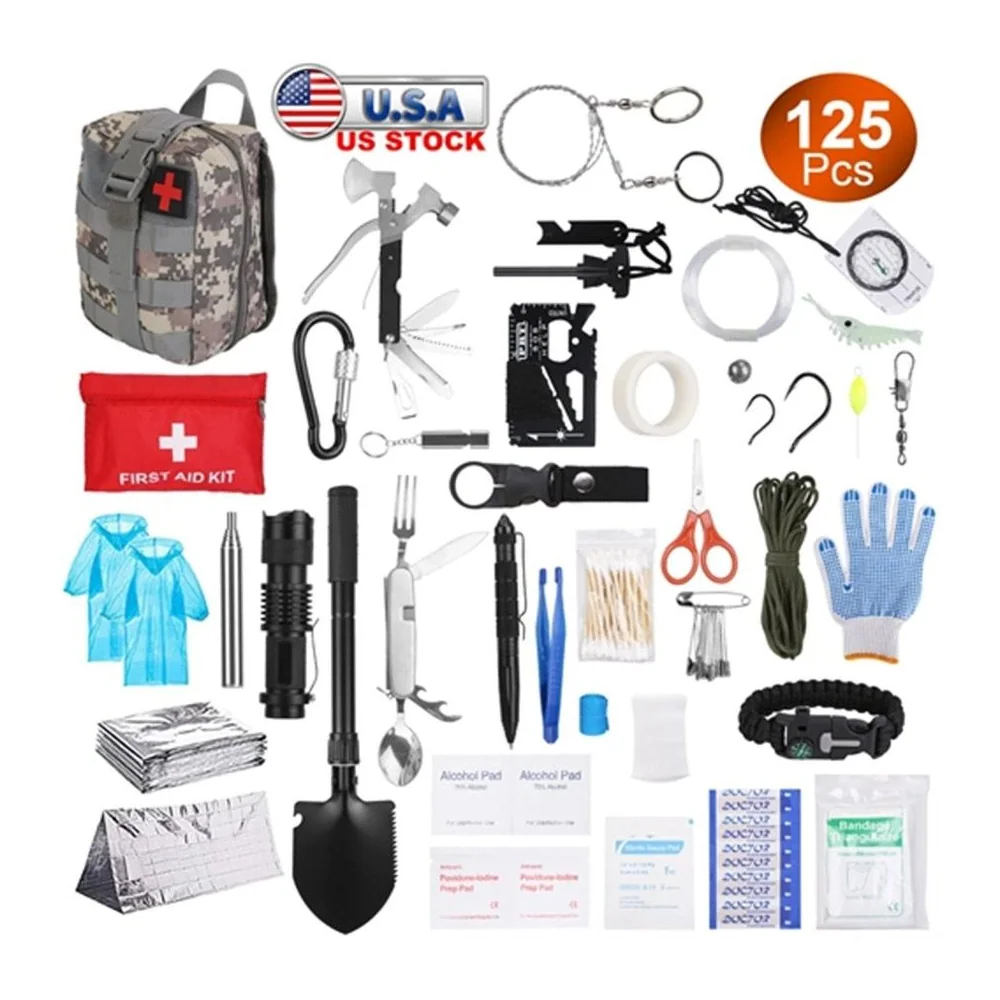
125-in-1 Professional Survival Equipment & Tactical Emergency First Aid Kit
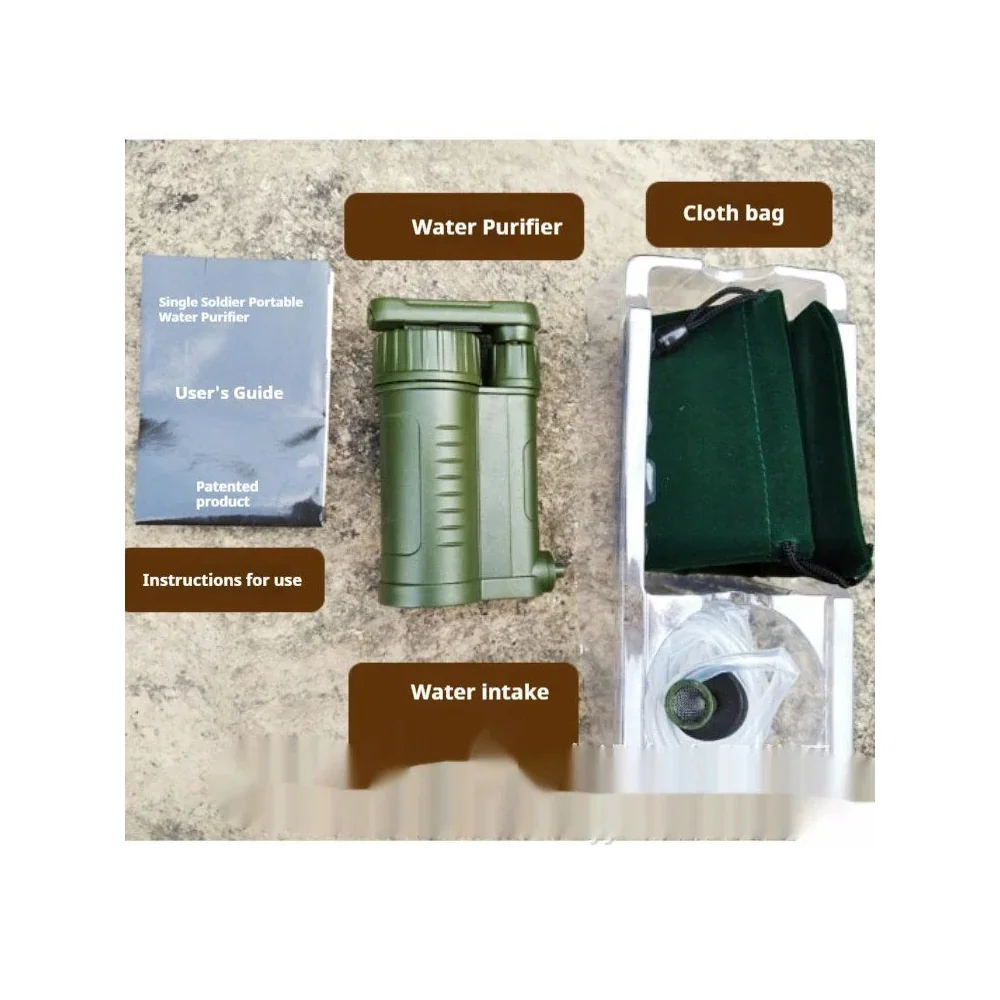
Emergency Backcountry Water Filtration Pump & Gravity System
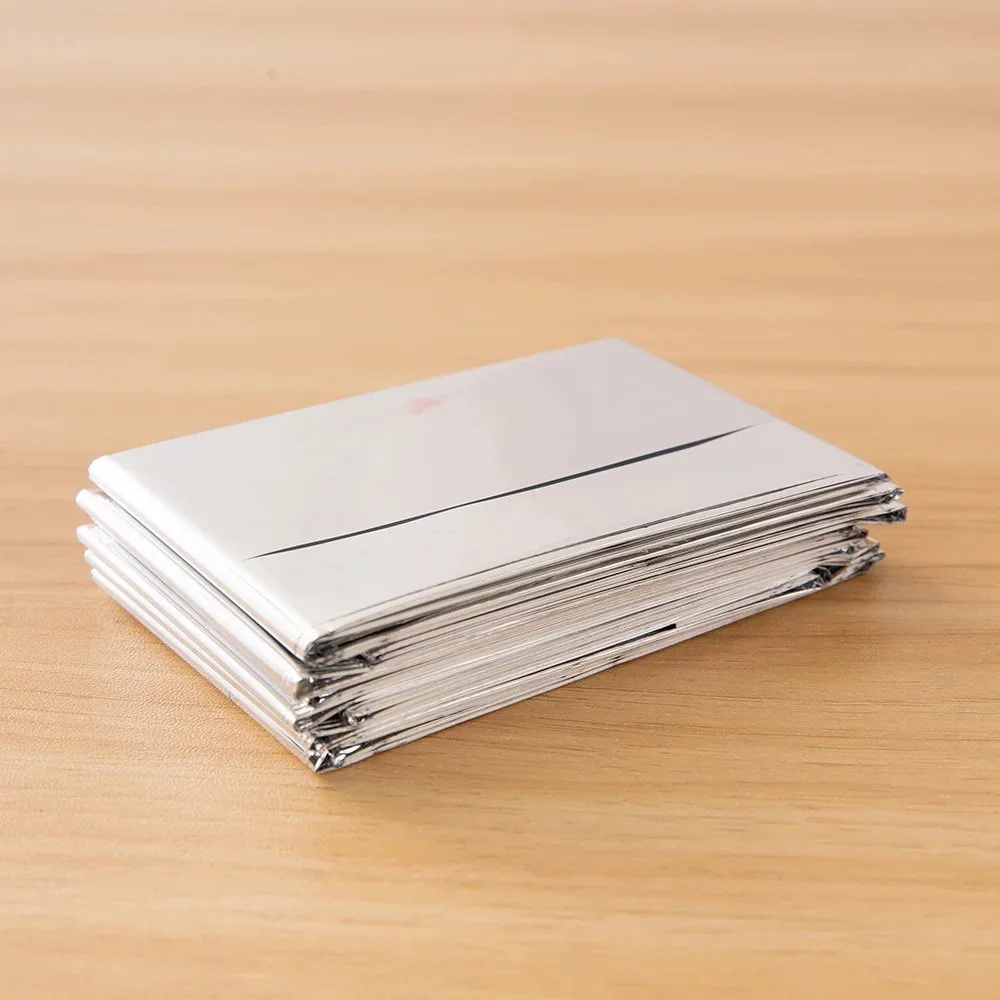
Emergency Mylar Foil Thermal Bivy Sack / Insulated Sleeping Bag Cover
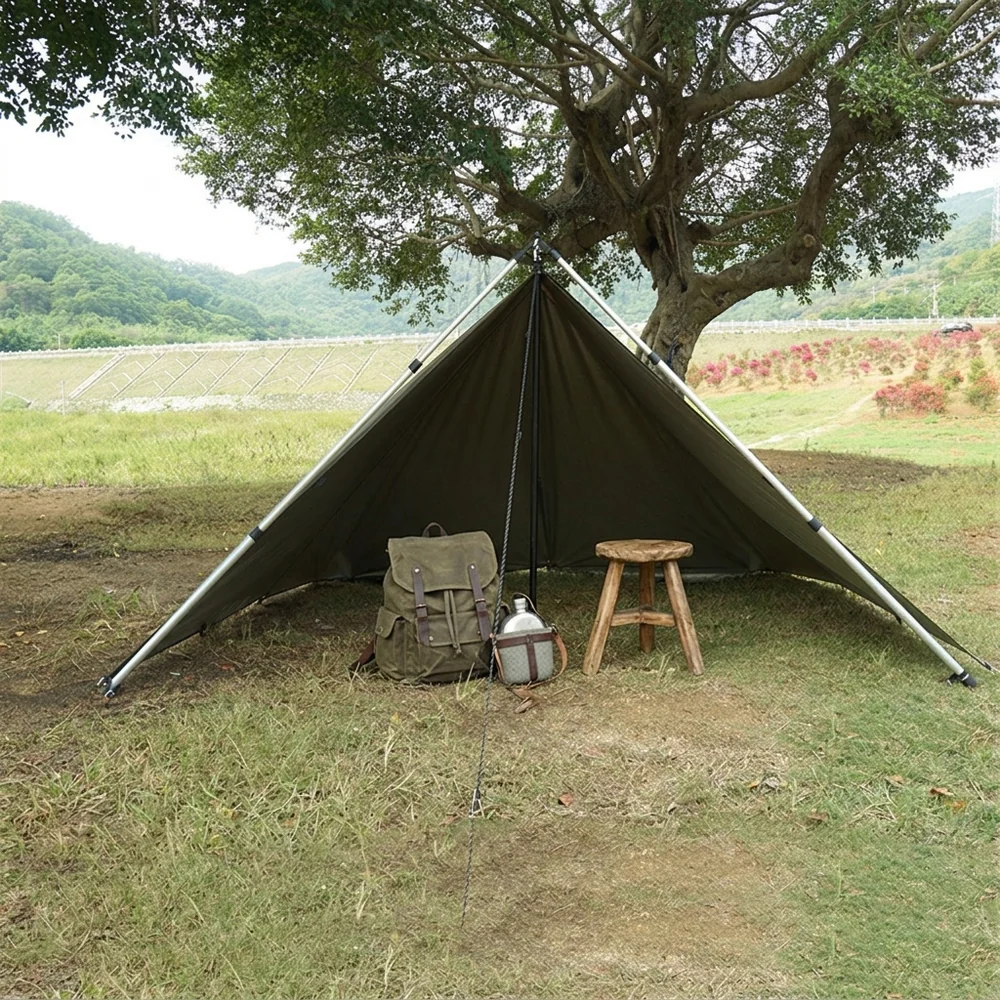
Heavy-Duty Black-Coated Bushcraft Survival Tarp Tent (PU3000mm)
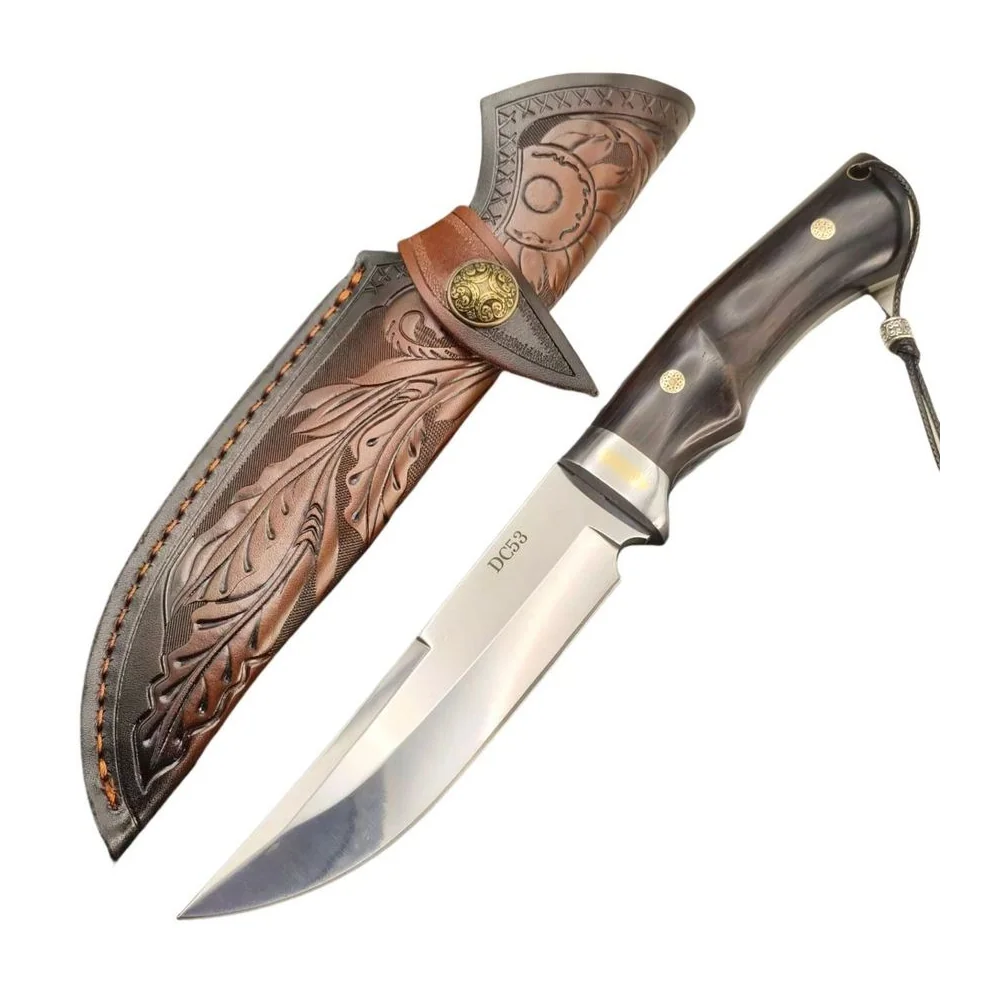
Kegani High-Carbon Steel Bushcraft Woodcraft & Camp Carver Tool with Leather Sheath
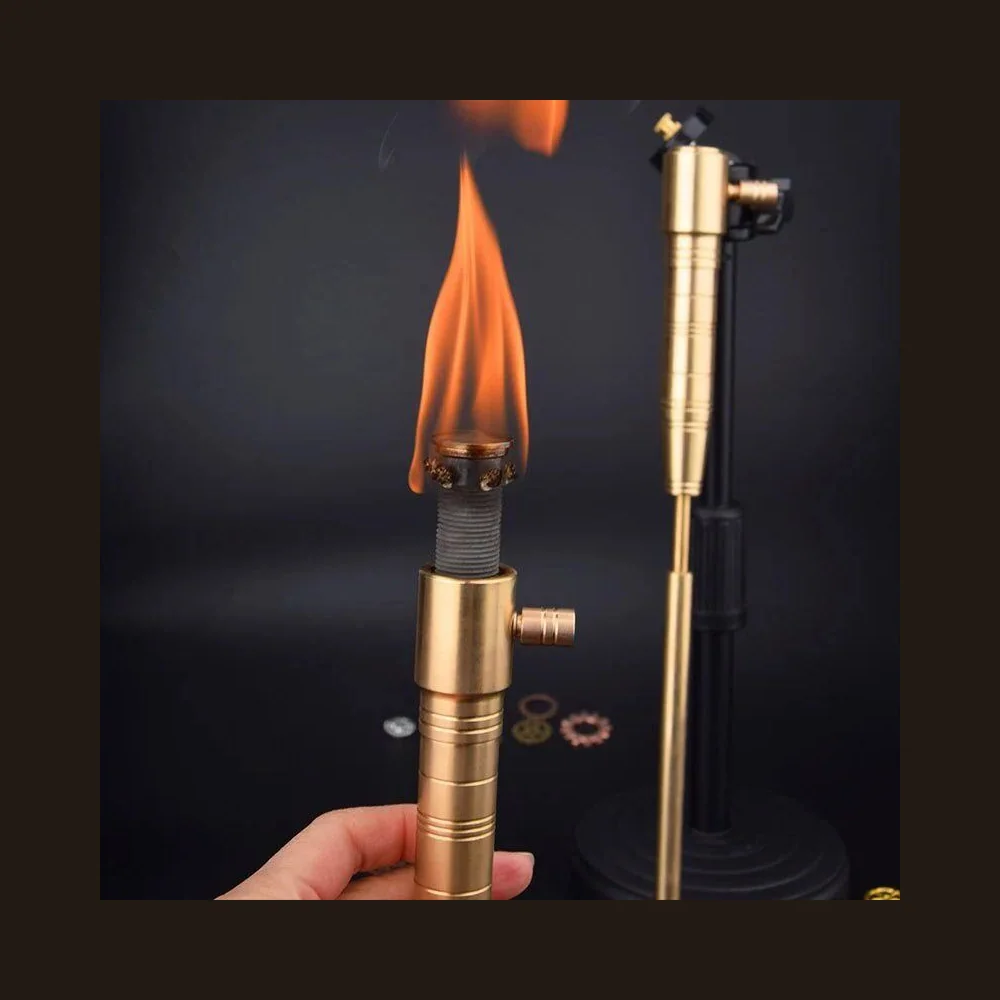
Metal Windproof Kerosene Survival Lighter (Refillable Outdoor Pocket Torch)
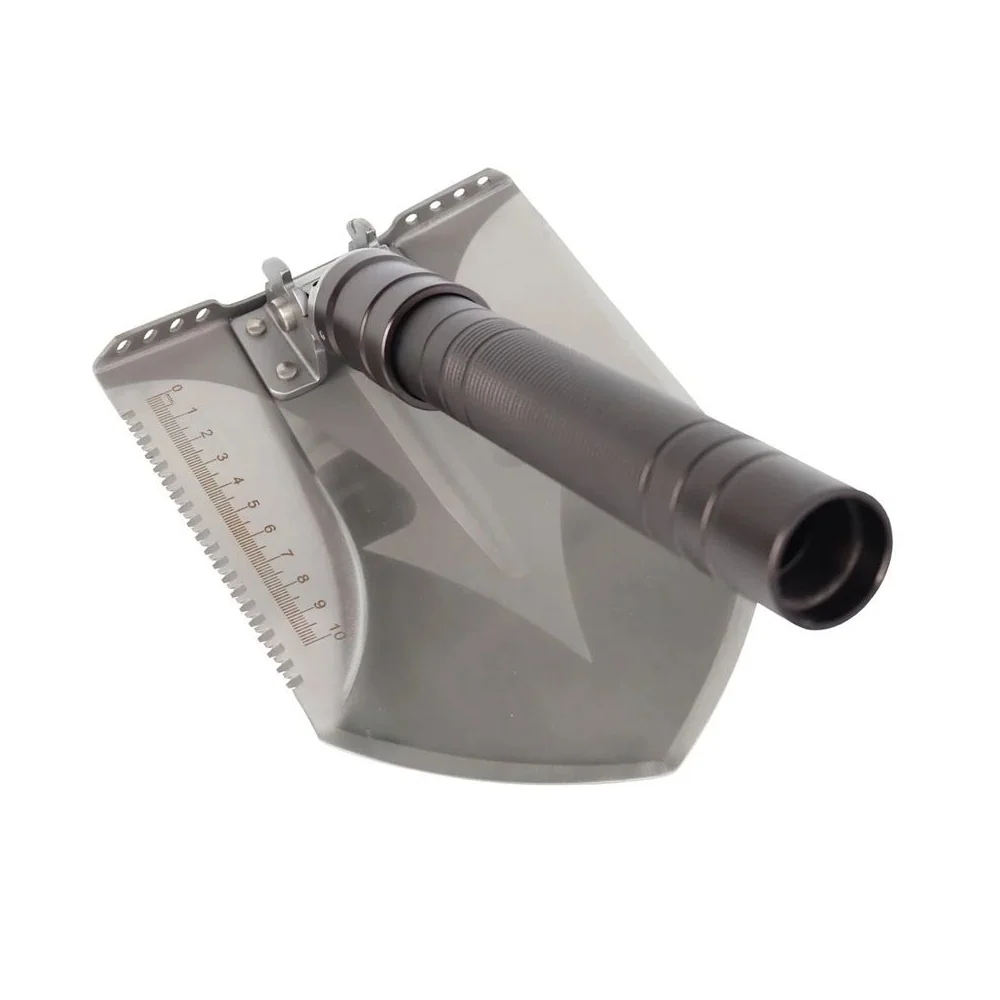
Military Tactical Folding Shovel Manganese Steel Heavy-Duty Entrenching Tool